
Hearing aids are made for regular daily use, but proper care is essential to keep them working. Hearing aid maintenance helps protect sensitive components from common problems such as earwax buildup, moisture, dust, and accidental damage. Without consistent care, these factors can affect sound quality, battery performance, and overall device function.
Simple habits at home can make a significant difference. Regular cleaning, careful handling, proper storage, and following the manufacturer’s instructions can help reduce avoidable repairs and keep your hearing aids performing as intended. With the right routine, users can protect their devices and potentially extend their useful life.
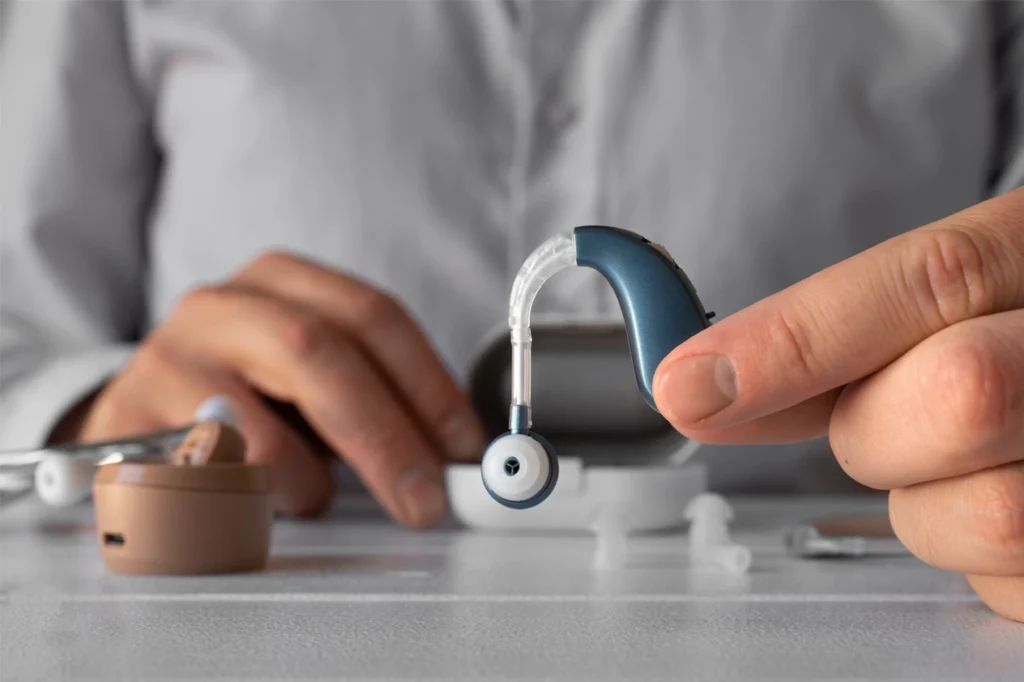
Daily Hearing Aid Cleaning and Care
Regular hearing aid cleaning is one of the simplest ways to maintain good performance. Earwax and debris can collect around the microphone, speaker, or other openings. This result in reduced sound output or distortion. Gently wipe the exterior of the device each day with a clean, dry, soft cloth. If your device has removable components, follow the manufacturer’s instructions for cleaning them safely.
Good hearing aid care also means avoiding water, alcohol, household cleaners, and other harsh substances unless specifically recommended by the manufacturer. Never insert sharp objects into microphone or speaker openings, as this can damage delicate components.
As part of a weekly routine, check for visible earwax buildup and inspect the device for dirt or damage. Appropriate hearing aid accessories, such as cleaning tools supplied or recommended by the manufacturer, can make routine care easier. If buildup cannot be removed safely at home or performance remains poor, professional hearing aid service may be necessary.
10 Hearing Aid Maintenance Tips to Make Your Device Last Longer
Following a few consistent habits can help protect hearing aids from everyday wear and prevent common problems. Consider these practical tips:
- Clean the hearing aids regularly using a soft, dry cloth and recommended cleaning tools.
- Keep them away from moisture by removing them before showering, swimming, or other activities involving water.
- Handle them carefully when inserting or removing them to reduce the risk of accidental drops or damage.
- Keep microphone and speaker openings clear so that dust and debris do not interfere with sound.
- Check for earwax buildup and clean removable parts according to the manufacturer’s instructions.
- Store the device safely in a suitable case or storage container when it is not being worn.
- Follow proper battery-care practices and replace disposable batteries as recommended.
- Use recommended hearing aid accessories rather than unsuitable third-party cleaning or charging products.
- Schedule professional servicing when needed, particularly if cleaning and basic troubleshooting do not solve an issue.
- Follow the manufacturer’s care instructions because cleaning, charging, storage, and maintenance requirements can vary between devices.
Protect Your Hearing Aids From Moisture and Battery Problems
Moisture protection is an important part of caring for hearing aids. Sweat, humidity, rain, and accidental exposure to water can affect sensitive electronic components. Remove your hearing aids before showering or swimming unless they are specifically designed for that type of exposure. During exercise or in humid conditions, wipe away moisture from the exterior and follow the manufacturer’s recommendations for moisture control.
For devices that use disposable hearing aid batteries, proper hearing aid battery care can also support reliable performance. Store batteries as instructed by the manufacturer, keep them away from moisture, and avoid carrying loose batteries with metal objects that could cause accidental contact. Always use the battery type specified for your device.
Rechargeable hearing aids require appropriate charging habits. Use the recommended charger, keep the charging contacts clean and dry, and follow the manufacturer’s instructions for charging and storage. Avoid using incompatible chargers or accessories, as they may affect charging performance or damage the device.
Proper Storage and Handling for Better Hearing Aid Care
Consistent hearing aid storage can protect the device when it is not being used. Place your hearing aids in a suitable case or manufacturer-recommended storage solution rather than leaving them loose on a table, in a pocket, or inside a bag. This reduces the risk of drops, scratches, dust exposure, and accidental damage.
Careful handling is equally important. Hold the device securely when putting it on or taking it off, and avoid pulling or twisting components unnecessarily. Keep hearing aids away from children and pets, who may accidentally swallow or damage small components. They should also be protected from excessive heat and direct sunlight, such as when left near a window or inside a hot vehicle.
Using appropriate hearing aid accessories can make everyday care easier. A suitable storage case, cleaning tools, or other manufacturer-approved hearing aid products can provide additional protection. Safe storage with regular hearing aid cleaning creates a simple routine that helps protect the device between uses.
When Hearing Aid Repair or Professional Service Is Needed?
Even with regular hearing aid maintenance, occasional professional attention may be necessary. Signs that a device may need hearing aid repair include noticeably weak sound, distortion, intermittent performance, unusual feedback, or problems with charging or battery life. If cleaning the device and following basic troubleshooting steps do not resolve the issue, it is best to consult a hearing care professional.
Users should avoid opening the device or attempting complex repairs themselves. Hearing aids contain small and sensitive components that can be damaged by incorrect handling. Professional hearing aid service allows trained specialists to inspect the device, identify potential faults, and recommend the appropriate solution.
Professional checks can also help identify problems before they become more serious. Depending on the device and individual needs, a hearing care professional may also assess whether cleaning, servicing, adjustments, or hearing aid fitting changes are required. Regular professional support is particularly useful when performance changes despite consistent home care.
Good hearing aid maintenance does not have to be complicated. Regular cleaning, moisture protection, careful battery or charging practices, safe storage, and proper handling can help maintain sound quality and reliable performance. These simple habits can also reduce avoidable damage and support a longer device life.
Always follow the manufacturer’s care instructions because maintenance requirements can differ between hearing aid models. If you notice continuous performance issues or need help with cleaning or servicing, Aanchal Hearing Care can provide professional guidance for hearing aid care, servicing, and maintenance.