
Noise from the outside such as traffic, noise from fans and air conditioners, office discussions, and television sounds are all a part of everyday life. Noise at construction sites, public places, and headphone music adds to this. Hence your ears never experience complete silence.
Can background noise damage your hearing? It all depends on the intensity, duration and frequency of the sound. Though common sound levels do not pose much risk, prolonged exposure to high sound levels could affect your hearing.
Understanding how background noise affects hearing can help you protect your ears with proper guidance from an Otologist.
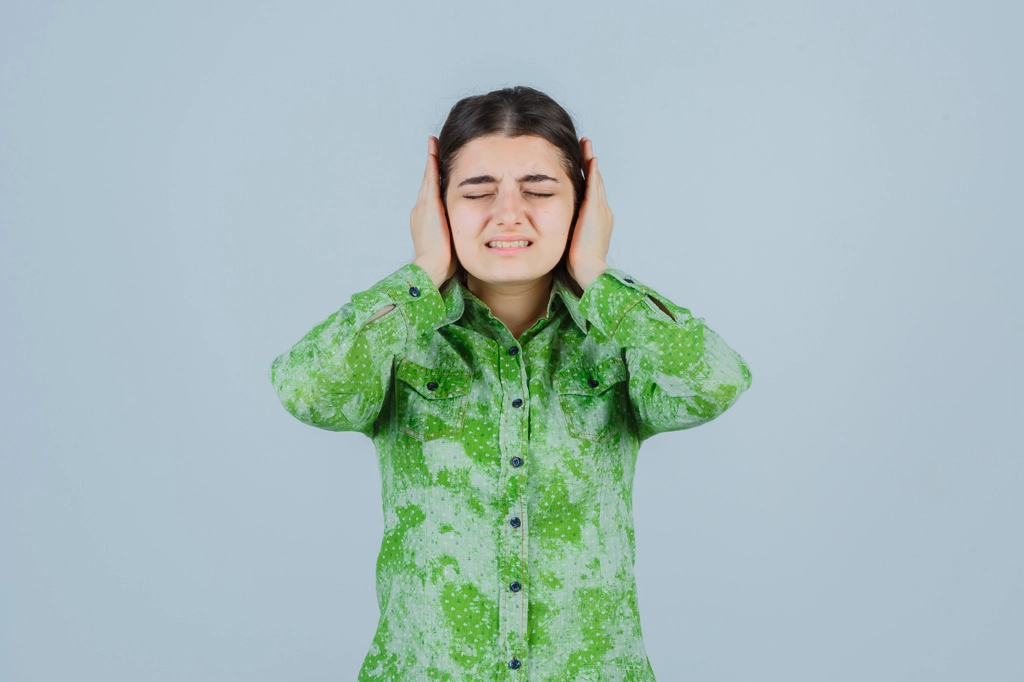
What Happens to Your Ears When You Hear Loud Noise?
The sound enters the ear, travel through the ear canal and make the eardrums vibrate. These vibrations pass through tiny bones in the middle ear before reaching the inner ear. Hair cells are present in the inner ear and play an important role in converting the sound vibrations into electric signals which will be sent to the brain. With these signals, you can hear and understand speech, music, and other sounds.
Exposure to very loud sounds and noises can affect the hair cells, leading to their damage. Unlike other cells of the body, once these hair cells are damaged, they cannot regrow. Hence, noise induced hearing loss should be taken seriously. This can occur slowly without causing any pain.
Can Normal Background Noise Cause Hearing Problems?
Not all background sounds are harmful. Household sounds at low levels are not harmful, but exposure to loud noises increases the likelihood of suffering hearing impairment.
Common sources include:
- Workplaces – Machinery, power tools and industrial equipment.
- Traffic and construction – Continuous exposure to busy roads and building sites.
- Headphones – Listening to music at high volumes for extended periods.
- Crowded places – Loud events and amplified music.
The answer to the question ‘Can background noise affects your hearing?’ is yes if the noise exposure exceeds safe levels.
Signs That Everyday Noise May Be Affecting Your Hearing
Changes in hearing usually happen gradually. It is quite likely that you will observe small differences in conversations before realising there have been any changes in your hearing.
Look out for these warning signs:
- Frequently asking people to repeat themselves.
- Increasing your television or phone volume.
- Struggling to follow conversations in crowded places.
- Feeling that people are mumbling when they speak.
- Experiencing ringing or buzzing sounds in your ears.
- Feeling tired after listening to conversations.
- Finding high-pitched sounds difficult to hear.
The symptoms can occur due to various reasons and are not necessarily associated with noise induced hearing loss. But persistent changes should be addressed. Through hearing test, possible problems can be detected and determine if further evaluation is required.
How Daily Background Noise Can Affect Hearing Over Time?
Exposure to excessive levels of noise can impact hearing.
- Temporary hearing changes: The sounds may become quieter, or the ear feels clogged after the exposure to loud noise. Rest is enough for recovery, but the case of recurrence should not be overlooked.
- Tinnitus: Noise exposure causes ringing, buzzing or humming sounds without an external source.
- Gradual hearing loss: Prolonged exposure to excessive levels of noise may lead to hearing loss permanently.
- Difficulty understanding speech: You may hear sounds but struggle to understand words, especially in noisy environments.
How to Protect Your Hearing from Daily Noise?
Simple habits can help reduce your risk of hearing damage:
- Keep headphone volume comfortable and take regular breaks.
- Move away from loud sound sources whenever possible.
- Use appropriate ear protection in noisy workplaces.
- Reduce unnecessary background noise at home.
- Give your ears quiet periods throughout the day.
- Arrange a hearing test if you notice changes.
If hearing loss is identified, seek the help of a professional before it’s too late. Background noise does not always harm your ears, but regular exposure to loud noise could cause haring problems. Understanding how background noise affects hearing will help to take preventative measures and protect your hearing health.
At our hearing care clinic in Kerala, we work with people to identify their hearing needs and consider the possible solutions. Contact our team for professional guidance, a hearing assessment or information about suitable hearing aid products.